

In an era of rapid global economic transformations, South Korea’s economy faces both challenges and opportunities. Understanding these dynamics is crucial for policymakers, businesses, and citizens alike.
Global Trade Tensions and Their Impact
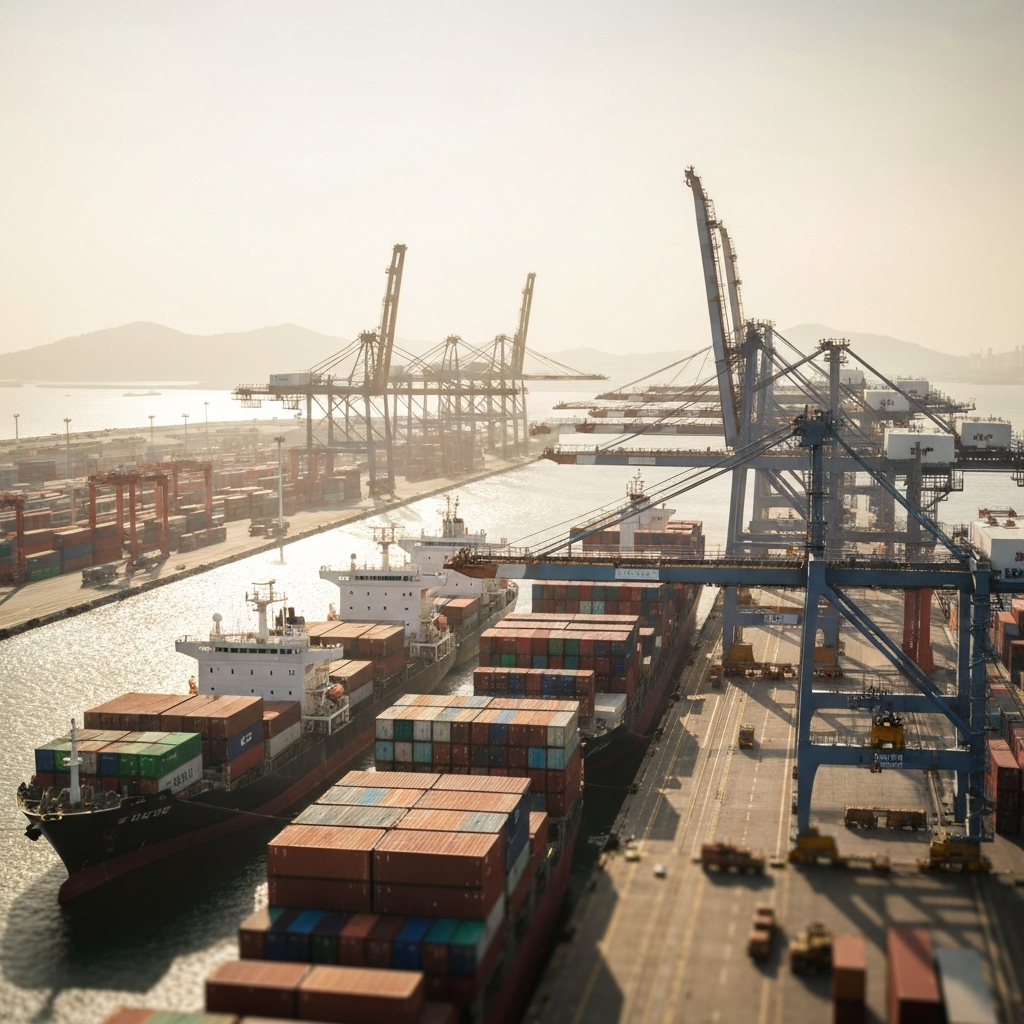
Recent years have seen escalating trade tensions between major economies, notably the United States and China. These disputes have led to increased tariffs and trade barriers, affecting global supply chains. For South Korea, an export-driven economy, such disruptions pose significant risks. The International Monetary Fund (IMF) has highlighted that heightened trade policy uncertainty could dampen business investment and slow economic growth. [Source]
Technological Competition and Innovation
The global race for technological supremacy, particularly in sectors like artificial intelligence and semiconductors, has intensified. South Korea’s strong position in these industries offers a competitive edge. However, the country must continue to invest in research and development to maintain its leadership. The OECD emphasizes the need for regulatory reforms to boost growth and innovation. [Source]
Demographic Challenges
South Korea faces demographic shifts, including an aging population and declining birth rates. These trends could lead to labor shortages and increased fiscal pressures. Addressing these issues requires comprehensive policies to encourage higher fertility rates and integrate older individuals into the workforce. The OECD notes that increased female and elderly labor market participation will expand employment. [Source]
Energy Dependence and Geopolitical Risks
South Korea’s reliance on energy imports makes it vulnerable to global energy price fluctuations and geopolitical tensions. Diversifying energy sources and investing in renewable energy can mitigate these risks. The Korea Development Institute warns that rising oil prices and global supply chain instability due to Middle East conflicts could negatively impact inflation and consumption. [Source]
Policy Recommendations
To navigate these global economic shifts, South Korea should consider the following strategies:
- Trade Diversification: Expanding trade partnerships beyond traditional markets to reduce dependency on any single economy.
- Innovation Investment: Enhancing support for research and development to maintain technological competitiveness.
- Demographic Policies: Implementing measures to address aging and declining birth rates, such as family-friendly policies and incentives for older workers.
- Energy Strategy: Investing in renewable energy and reducing reliance on imported fossil fuels to enhance energy security.
By proactively addressing these challenges, South Korea can strengthen its economic resilience and continue to thrive in a rapidly changing global landscape.