

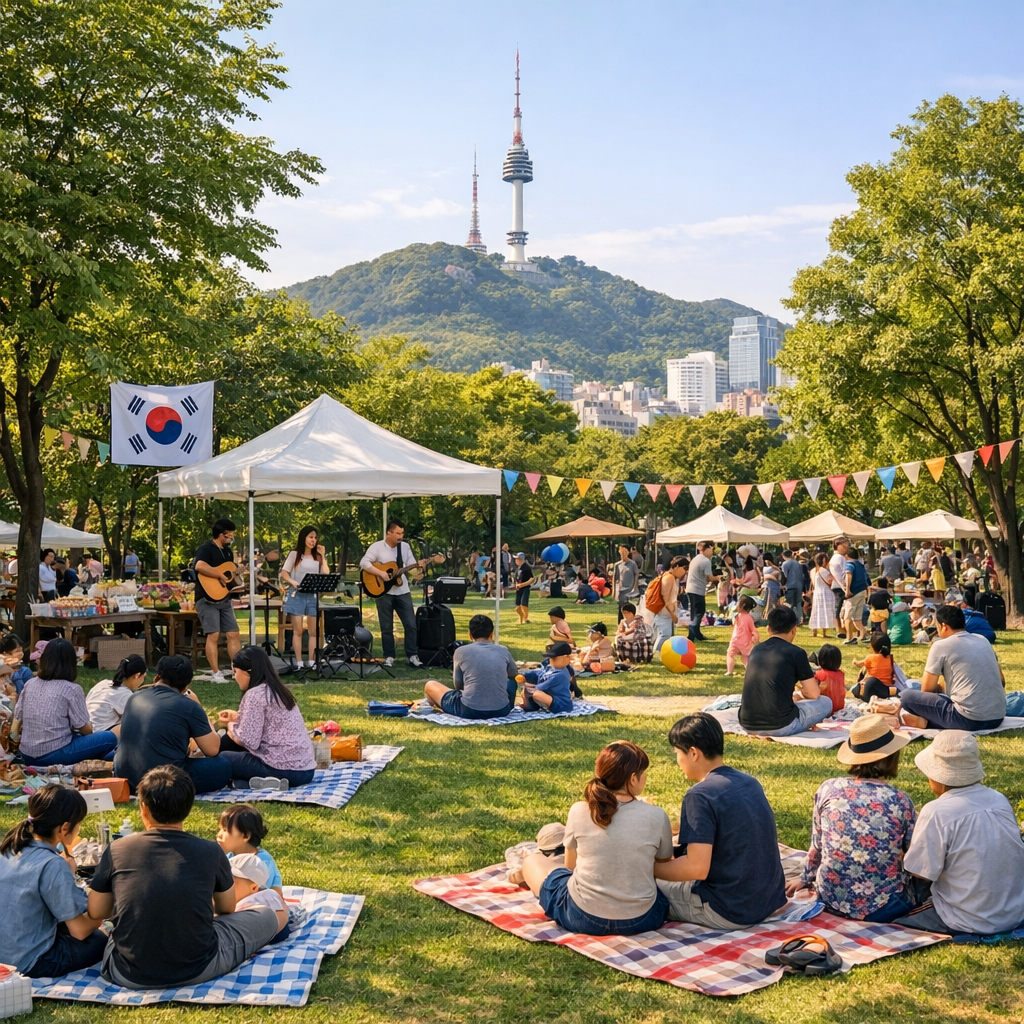
Seoul, a city of over 10 million residents, is experiencing significant transformations in its community dynamics due to rapid urbanization, housing disparities, and evolving social initiatives.
Urbanization and Housing Challenges
The city’s rapid urbanization has led to overpopulation, resulting in housing shortages and increased living costs. Residents have reported heavier workloads and earlier preparations for the future, with leisure satisfaction slightly declining. Notably, 54.5% support a 4.5-day workweek, indicating a desire for better work-life balance. Additionally, 86.3% have used AI services, with preferences for public AI services in transportation, social isolation prevention, and healthcare. When considering old age, 43.3% prefer to continue living in their current homes, highlighting the need for community-based care and daily living support services. Source
Community Initiatives and Social Inclusion
In response to these challenges, Seoul has launched initiatives like the ‘Seoul Without Loneliness’ plan, aiming to prevent social isolation and build a happier city for all. This comprehensive plan mobilizes all departments to create a support system covering all life stages and sectors. Source
Furthermore, the city has implemented the ‘Seoul Community Plan’ to address spatial inequalities and improve park accessibility. Studies show that while urban renewal projects have enhanced accessibility, they have also generated localized inequalities. The Seoul Community Plan aims to mitigate these disparities by redistributing parks and ensuring equitable access to green spaces. Source
Grassroots Efforts and Policy Implications
Grassroots innovations have also played a crucial role in addressing urban poverty and fostering community resilience. Communities have developed unique forms of social infrastructure that enhance autonomy and self-governing capacities, even in constrained environments. These efforts highlight the importance of inclusive policies that consider the needs of marginalized populations. Source
As Seoul continues to evolve, the interplay between urban development and community well-being remains a critical focus. Balancing modernization with social inclusion and equitable resource distribution will be essential in shaping a sustainable and harmonious urban future.