

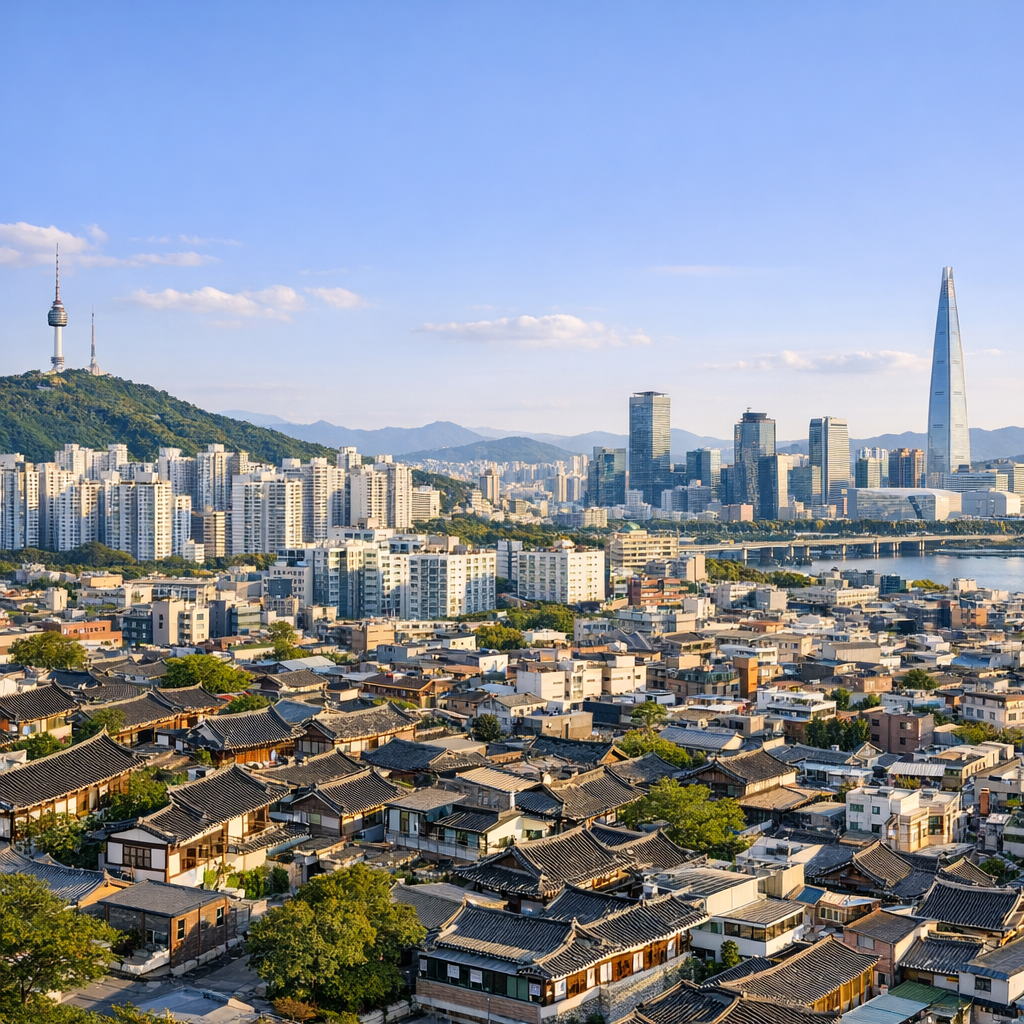
Seoul’s real estate market has experienced significant fluctuations in recent years, with notable disparities emerging across various districts. Understanding these trends is crucial for prospective buyers, renters, and investors.
Market Trends and District Disparities
In 2025, Seoul’s apartment prices saw an 8.98% year-on-year increase, marking the steepest annual rise in 19 years. This surge was particularly pronounced in districts like Gangnam and Seocho, where average prices per 3.3 square meters exceeded 100 million won. Conversely, areas such as Jungnang and Geumcheon remained in the 20 million won range, highlighting a widening gap between high-end and mid-to-low-priced districts.
By early 2026, the average new apartment sale price in Seoul reached approximately 16.606 million won per square meter, reflecting a 23.96% year-on-year increase. This growth was driven by limited new supply, increased demand from domestic upgraders, and returning overseas Koreans.
Upcoming Developments
To address housing shortages, the Korea Land & Housing Corporation (LH) is collaborating with private partners to develop idle sites in central Seoul. Notable projects include the transformation of the Sungkyunkwan University baseball field and the Wirye office land, aiming to deliver around 3,100 new homes by 2027. These initiatives are expected to alleviate some pressure on the housing market and provide more options for residents.
Implications for Residents
The rapid escalation in property prices, especially in premium districts, poses challenges for first-time buyers and renters. However, the introduction of new housing developments may offer more affordable options in the near future. Prospective buyers and renters should stay informed about market trends and upcoming projects to make well-informed decisions.
Seoul’s real estate landscape is continually evolving, influenced by economic factors, government policies, and demographic shifts. Staying abreast of these changes is essential for navigating the market effectively.