

By Seo-joon Yoon
When you think of sports in Seoul, professional teams like FC Seoul or Doosan Bears often come to mind. But beneath that bright surface, high school and university sports are where many of Korea’s future stars sharpen their skills. These layers of competition play an essential role in national sports strength, community identity, and Korea’s long tradition of excelling in both martial arts and team sports.
The Scholastic Pipeline: High Schools as Training Grounds
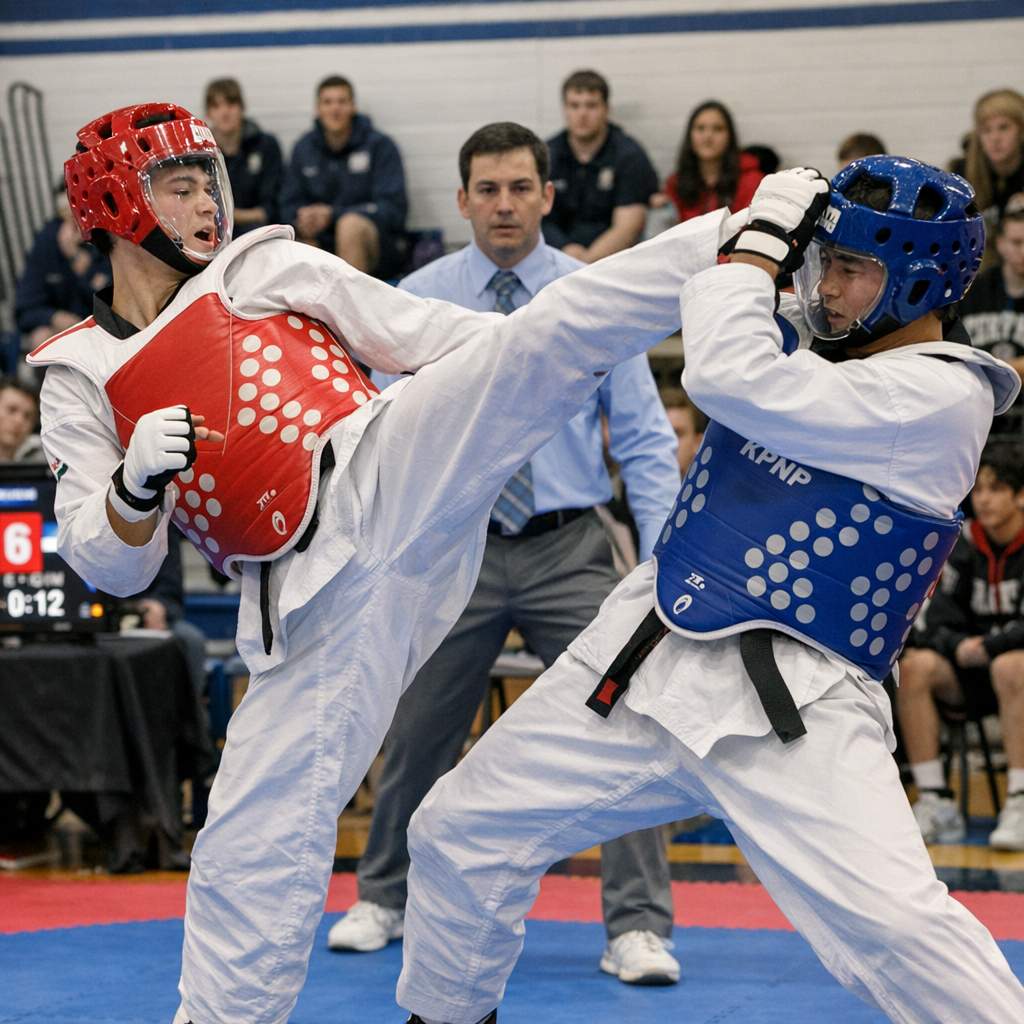
Seoul’s high schools are not just academic centers—they’re vigorous hubs of athletic excellence. Schools like Seoul Physical Education High, Kyung Hee Physical Education High, and other regional powerhouses regularly produce athletes who go on to national teams, university squads, or pro drafts. In taekwondo, SSireum, judo, wrestling, and traditional Korean martial arts, students often begin rigorous training in middle and high school, aligning with cultural traditions rooted in mastery and discipline.
Athletes at this level compete in regional and national competitions—local tournaments often trigger scouting interest from university coaches or clubs. These events inject local communities with pride and excitement, especially when hometown high schools win matches or host visiting teams. It’s a cycle: community support pushes schools to invest in coaches and facilities, and success in turn brings recognition and further investment.
University Competition: The U-League and Beyond
The Korea University Sports Federation (KUSF) oversees the U-League, Seoul’s main stage for inter-university competition in high-profile sports: football, basketball, volleyball, baseball, and more. Universities like Korea University, Yonsei, Hanyang, Sungkyunkwan, and Korea National Sport University offer extensive sports programs ranging from combat sports to archery and team ball games. Many of these institutions support teams in multiple disciplines, providing student-athletes with support and exposure often comparable to semi-professional levels.
For many students, the university leagues are opportunities to balance education and elite sport. Success here can lead to professional contracts or national team selection. The level of professionalism in coaching, sports science support, and facilities has risen sharply in recent years, reflecting Korea’s broader investment in elite sports structures.
National Festivals and the Community Role
Every October, the National Sports Festival (Jeon-guk Che-yuk Daehoe) gathers athletes from high school, college, general, and overseas Korean divisions in competition across dozens of sports. This event is not only symbolic—it’s where regional pride meets opportunity, and local stars make their name. This year’s festival in Jeju will showcase 49 formal sports and one demonstration sport, drawing over 30,000 participants.
Meanwhile, at the community level, smaller clubs—youth academies, neighborhood sports associations, high school clubs—play a large but quieter role. They foster lifelong engagement with physical activity, provide early opportunities for varied sports (from biking and hiking to international-style team sports), and help prevent talent drop-off between school years.
Challenges and Looking Forward
Despite the strengths, Seoul’s scholastic sports scene faces pressures. Student-athletes must balance intense training with academic expectations, and not all schools have equal resources. Also, talent leaking into less traditional sports or overseas can dilute the domestic system’s visibility.
However, momentum is on the side of growth. Government support, via national sports policy and facilities, continues to increase. University sports are formalizing structures like scholarships and advanced training support. And local communities are recognizing that nurturing sports from high school through college contributes to national pride, public health, and Seoul’s status as a sports capital.
In Seoul, the game isn’t just happening in stadiums—it’s developing in classrooms, local gyms, and weekend fixtures. For many young athletes, today’s school team is the gateway to something bigger—and for the rest of us, it’s where communal energy, local identity, and national ambition meet at the playing field.